
Nome
2026
Industrial Designer
Team: Inna Lobel (Director), Tom Frejowski (Mechanical Engineer)
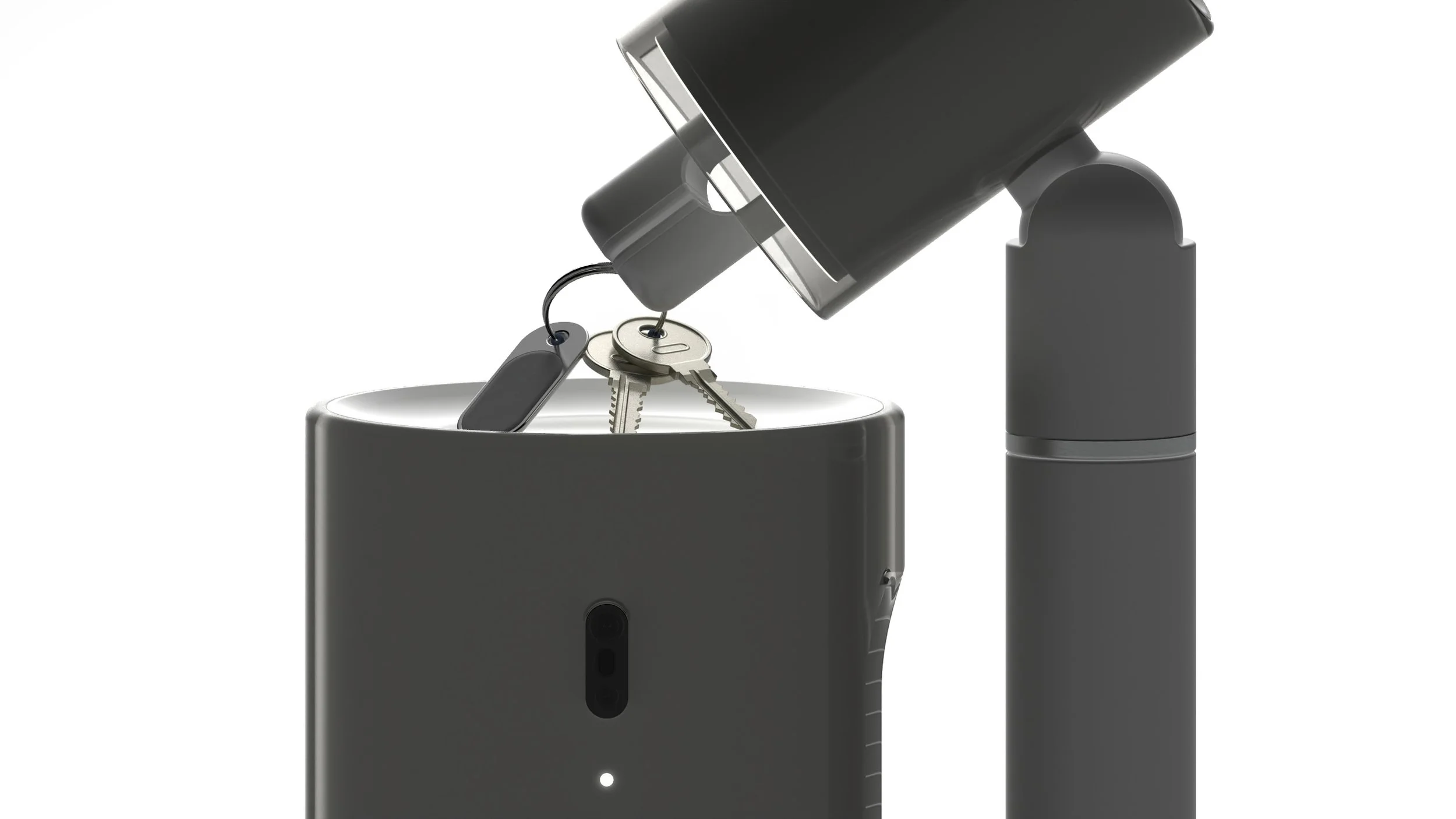
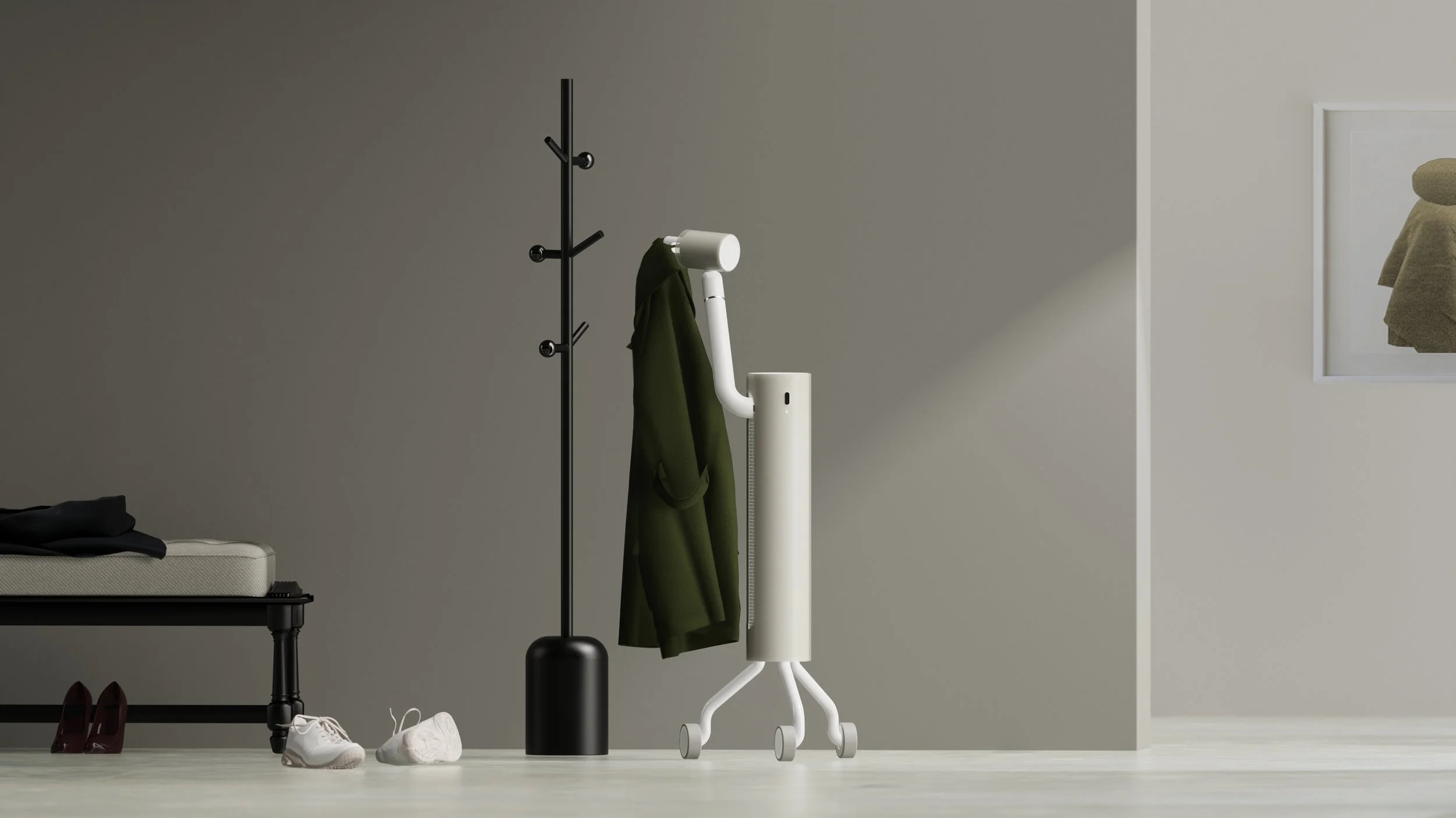
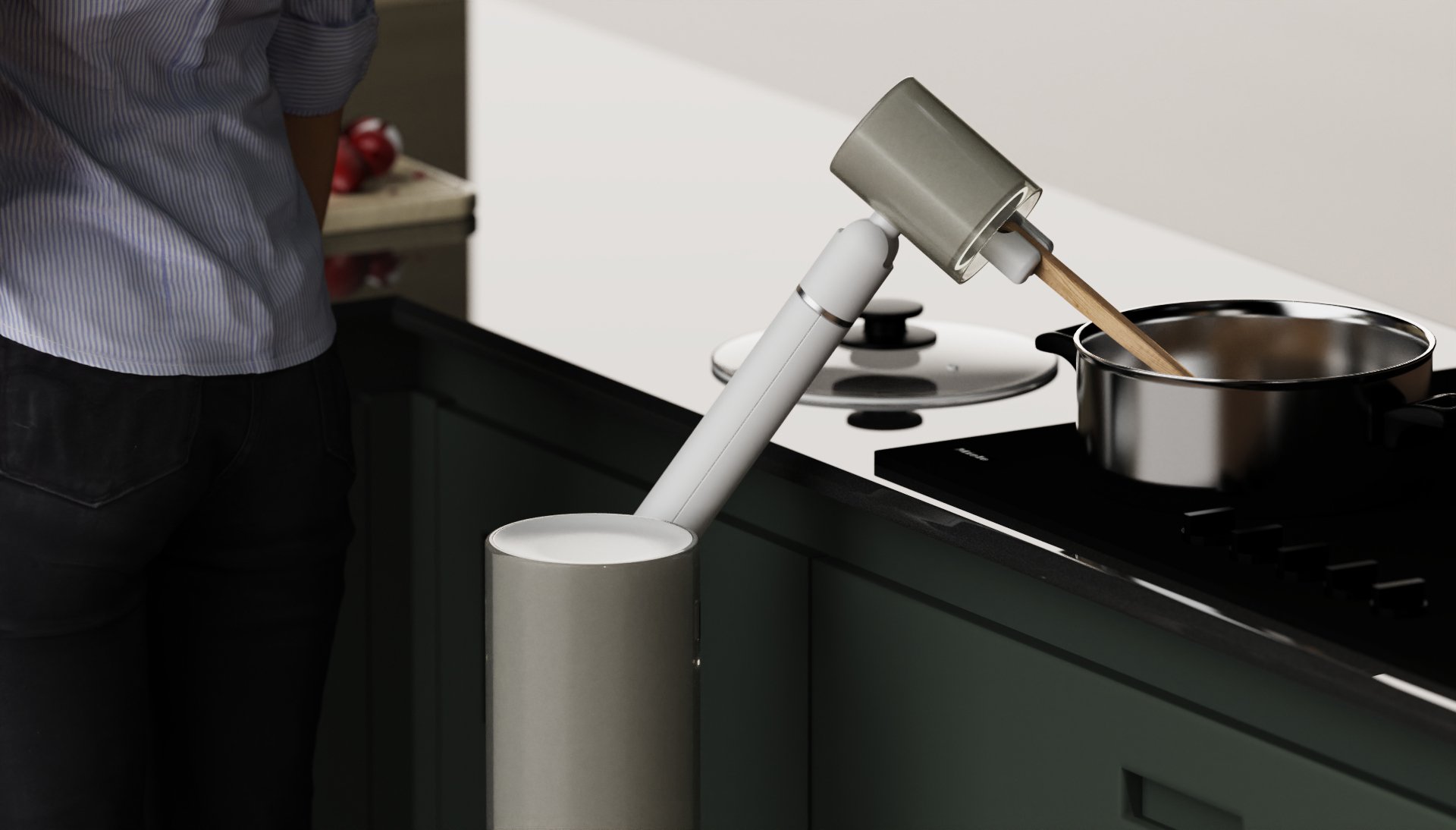
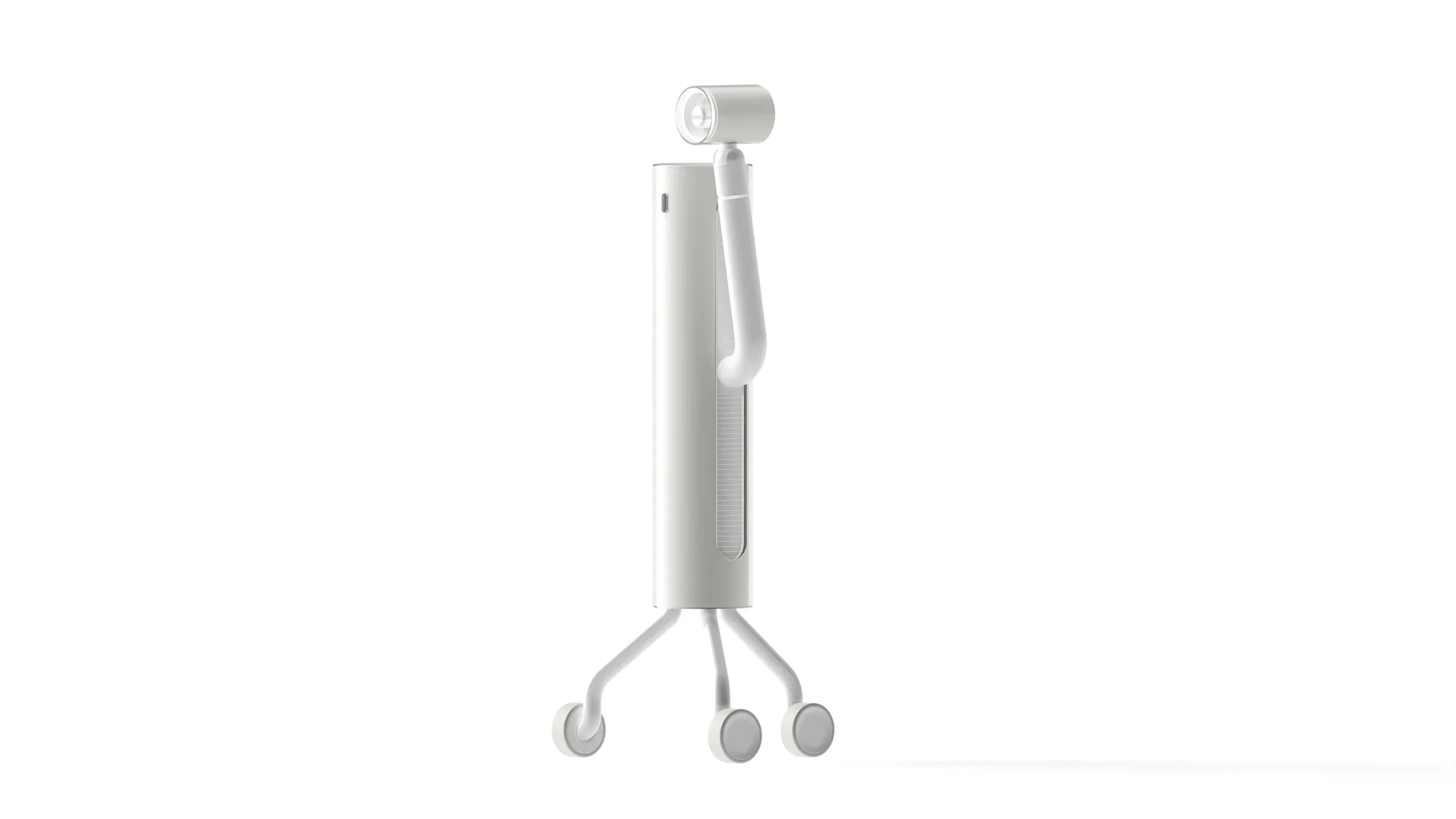
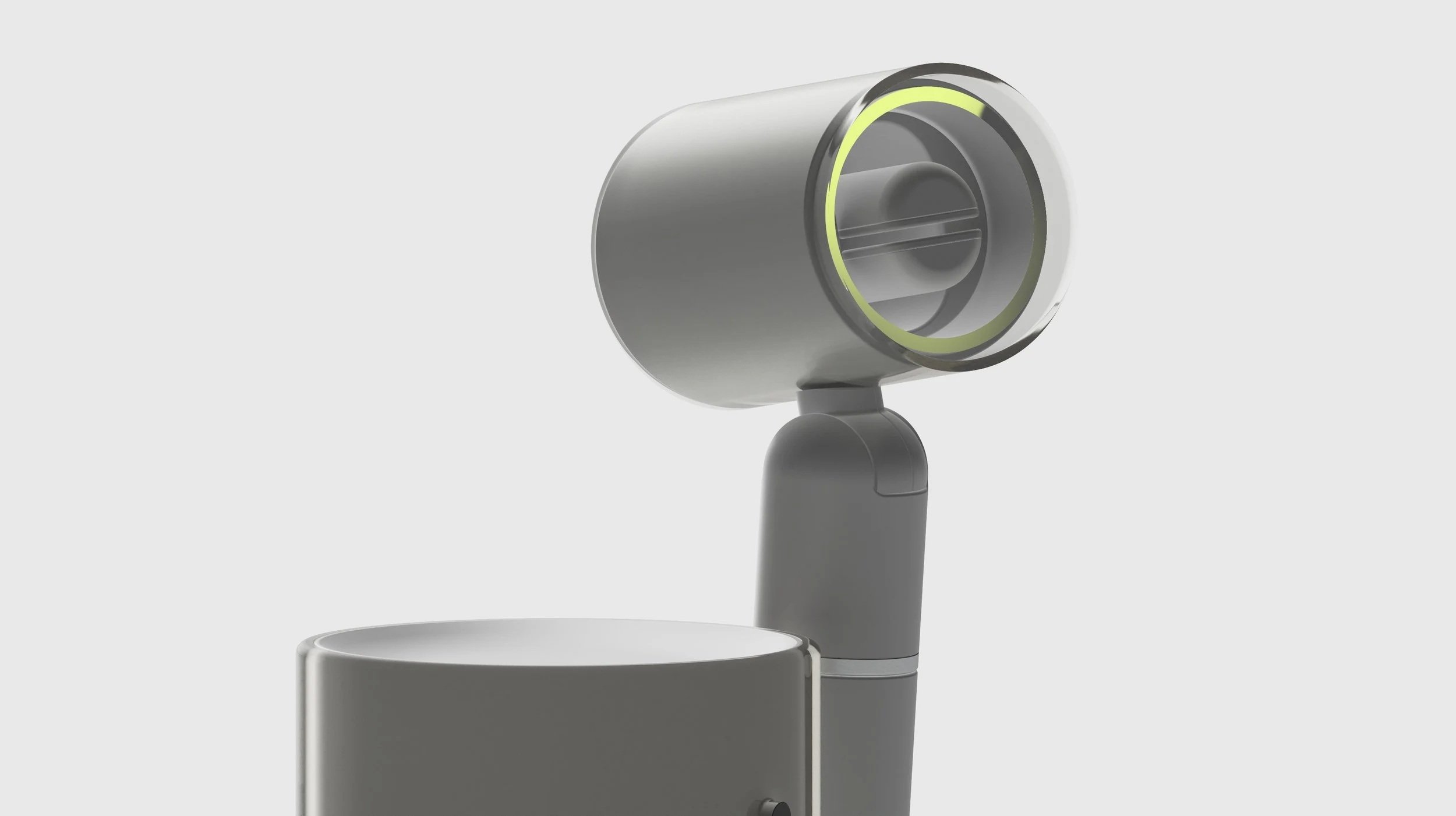
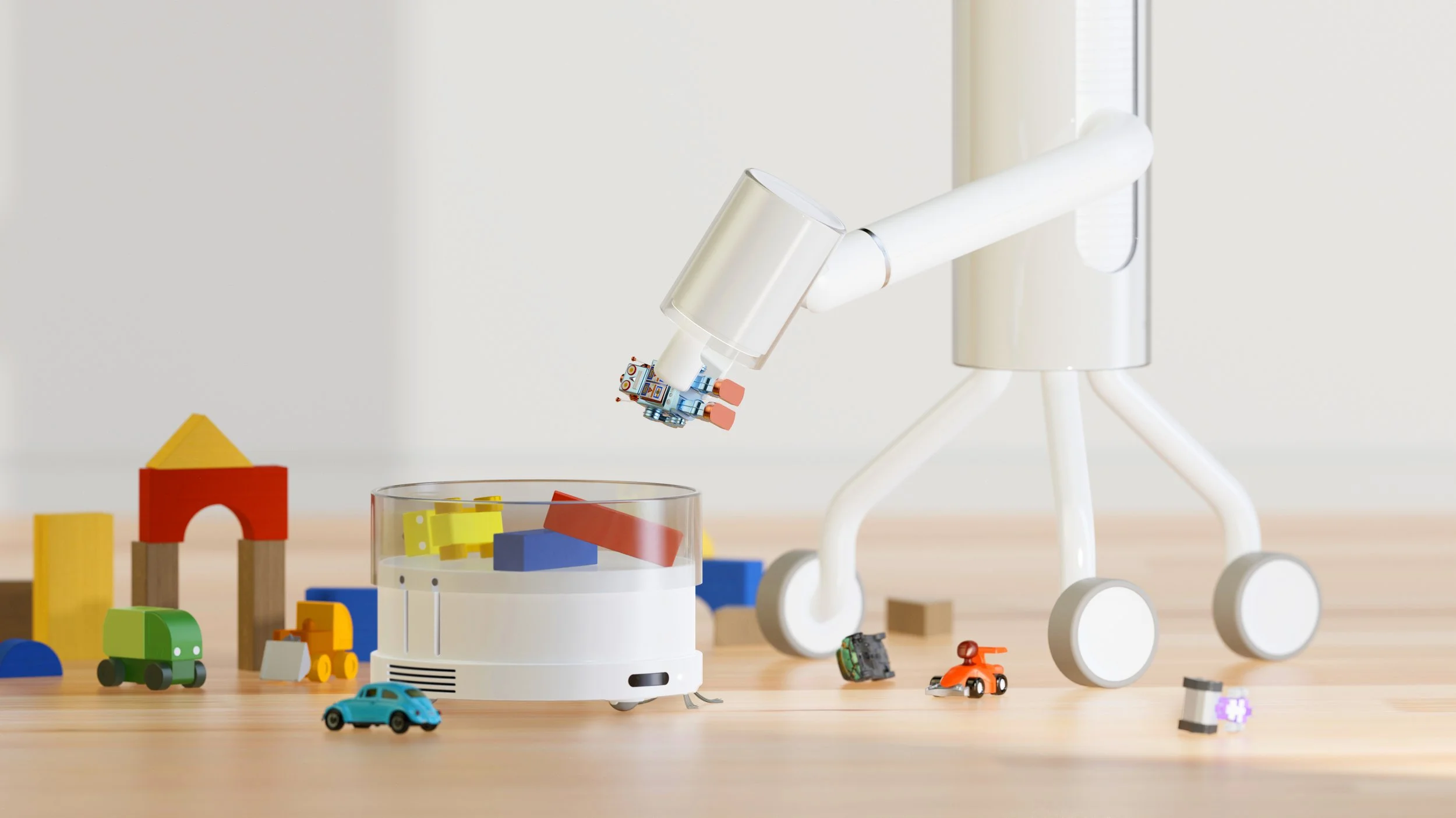
Nome is an exploration of physical AI, reimagining how autonomous robots might integrate into our homes and everyday lives. This work resulted in a platform that enables frog and clients to confidently imagine, prototype and shape next-generation robotic products across industries and contexts.
Continued development currently in progress
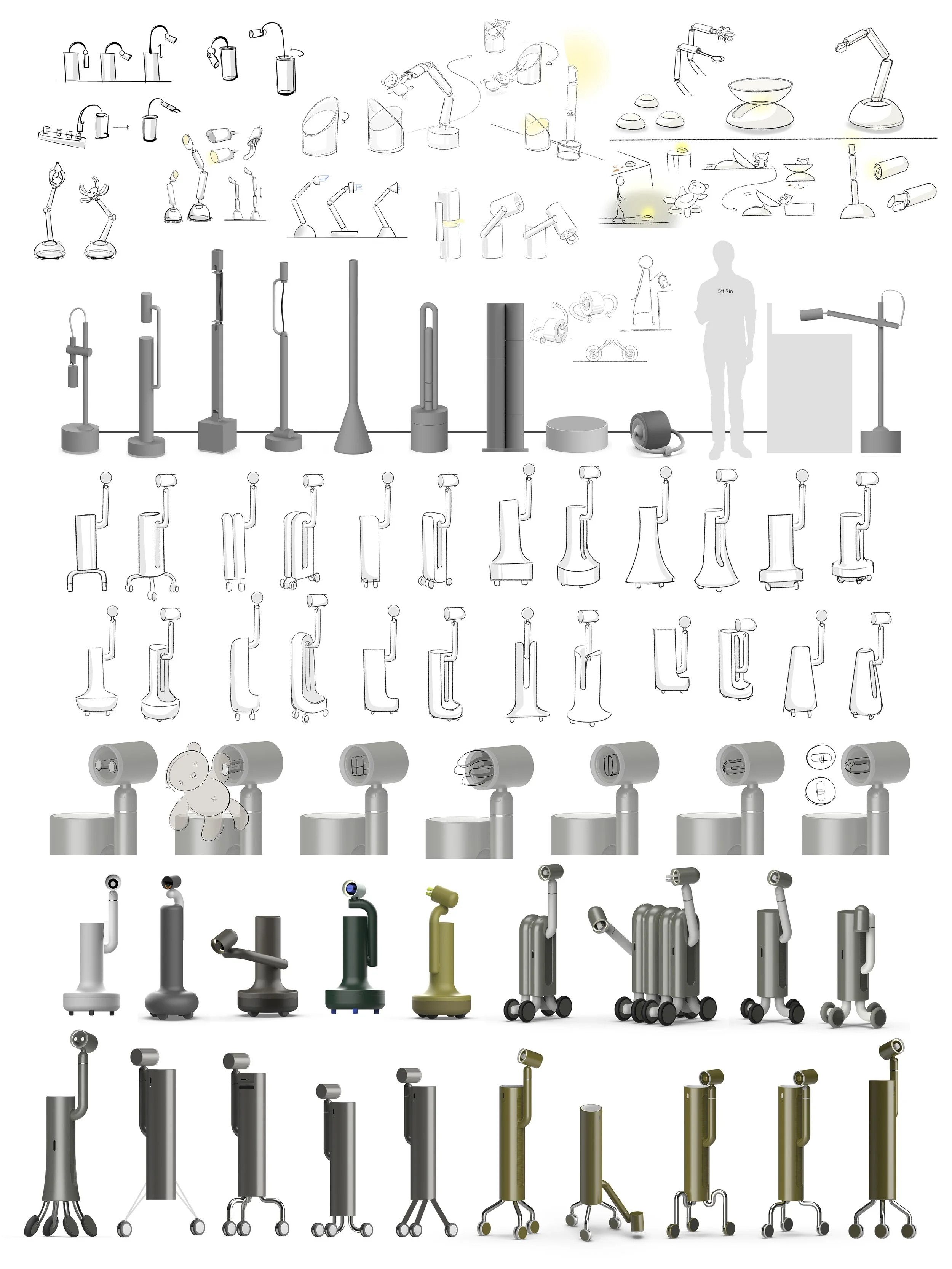
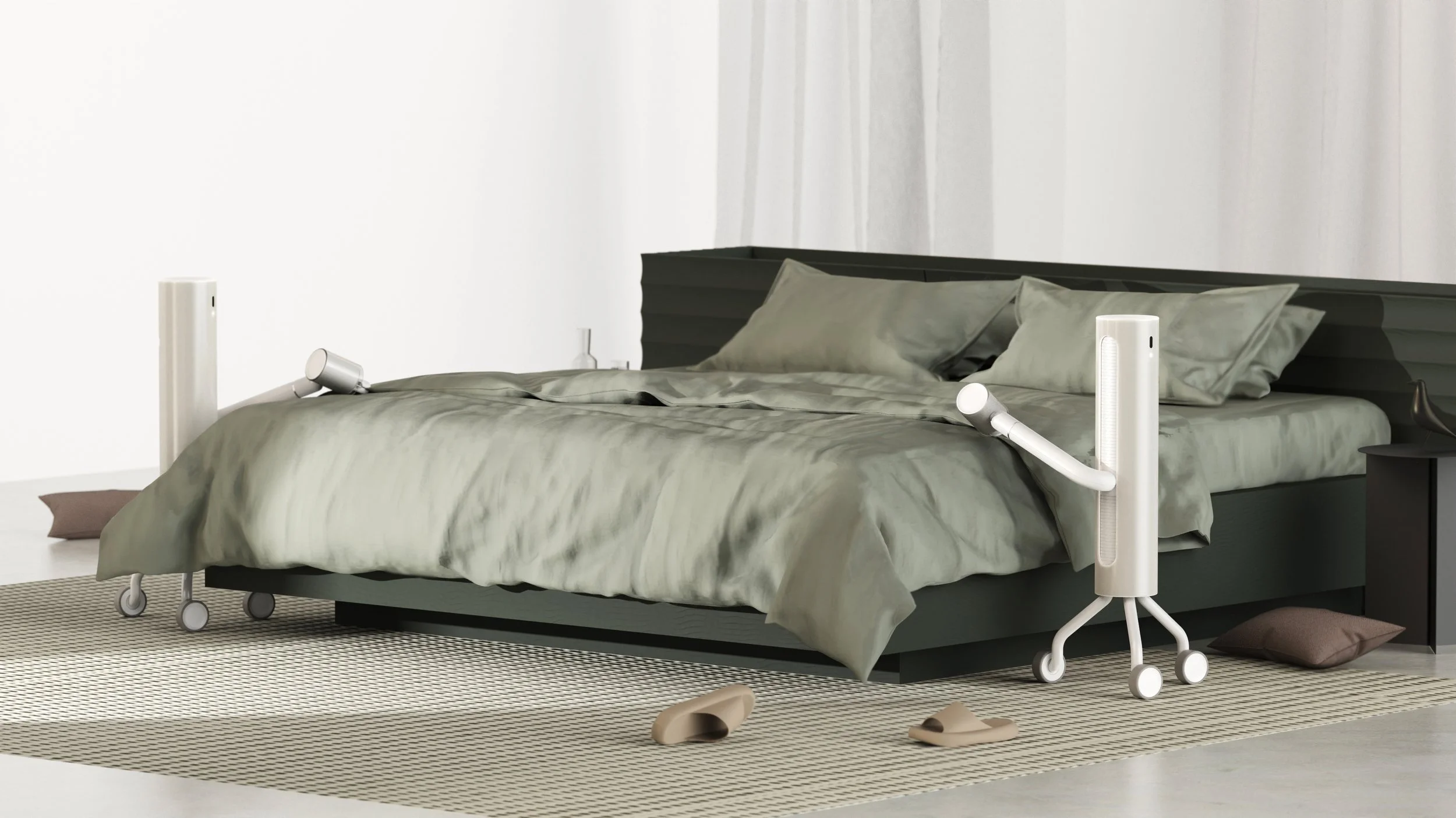
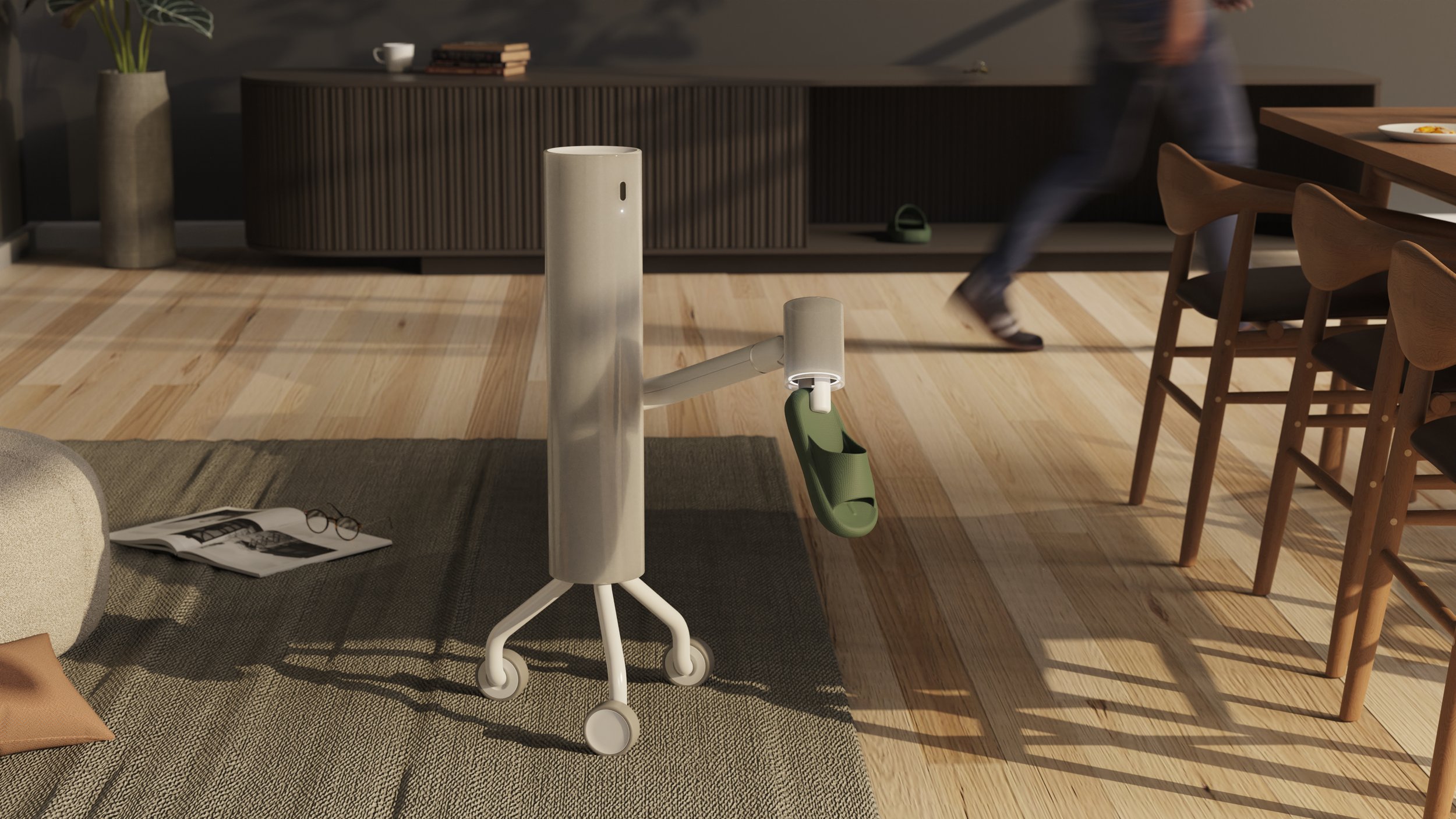
We started by looking at the quiet, repetitive actions that sustain life at home. Identifying tidying and related tasks helped us frame Nome as an appliance-adjacent device, designed for familiarity and daily interaction.
Each iteration moved beyond surface refinement, shaping form, configuration and behavior to define a cohesive strategy aligned to the use case.
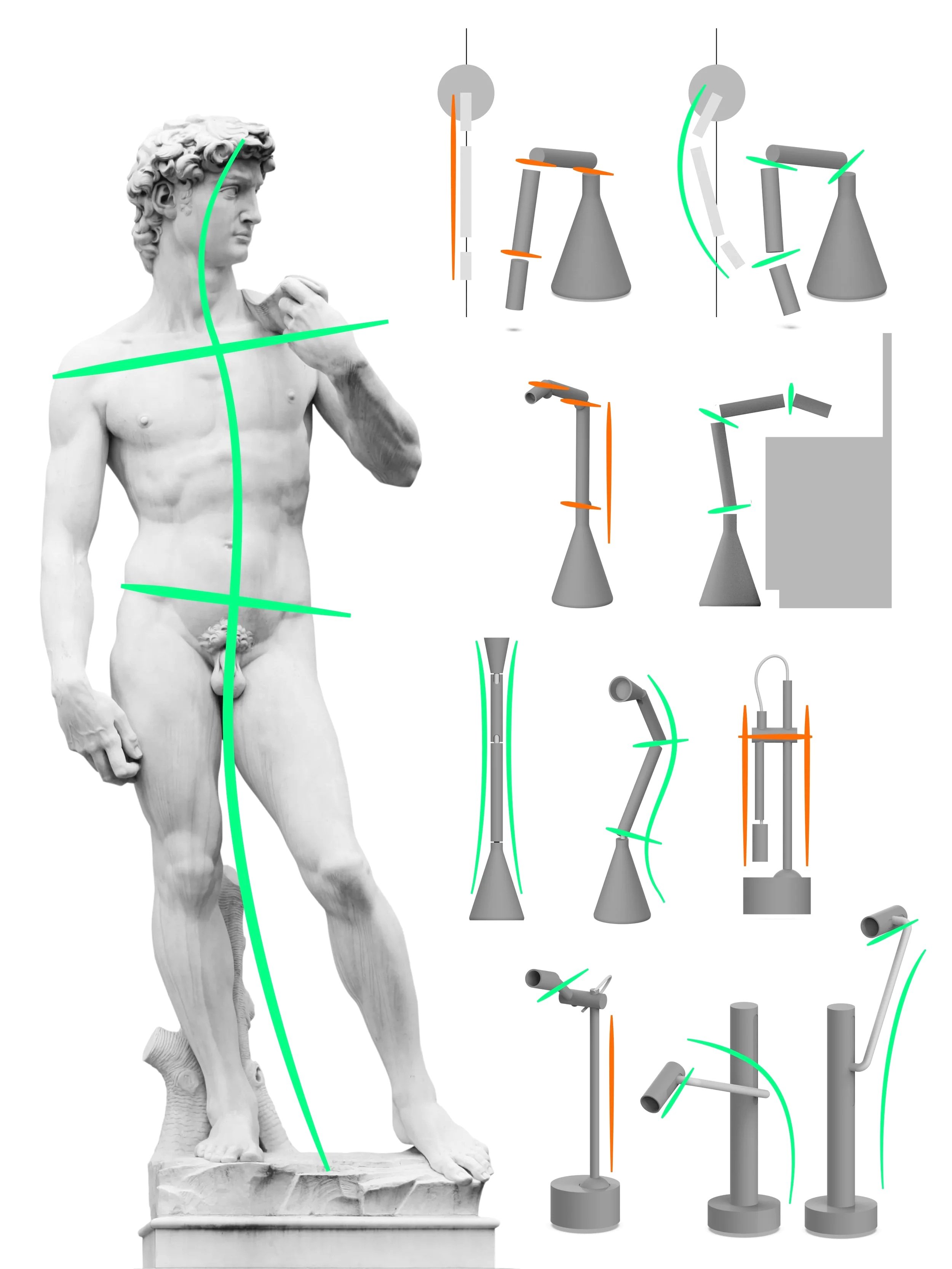
Posturing, like form, is a design decision.
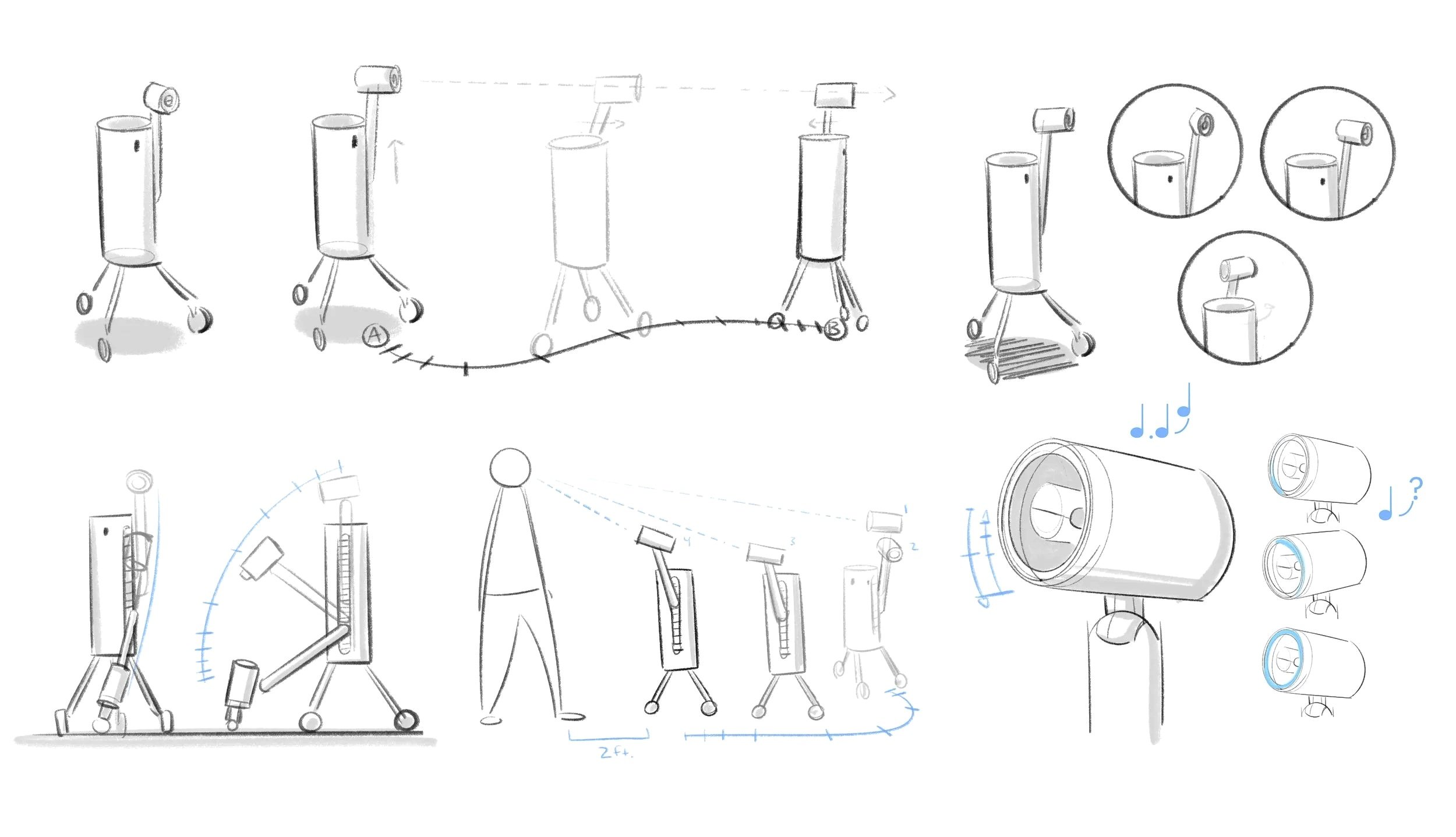
Contrapposto was introduced to sculpture to bring human figures to life, capturing a sense of balanced weight, ease, and quiet movement within a still form. While developing Nome, we used this concept to examine how shifting weight, relaxed poses, centers of gravity, opposing angles and the overall sense of life translate to robotic form. We defined guidelines for postures to feel quietly engaged and composed, avoiding configurations that feel broken, rigid, or off-balance. These guidelines helped us asses what forms would enable a natural and approachable presence in our spaces.
Thinking about robot body language in this way informed not just how Nome looks, but how it is felt.
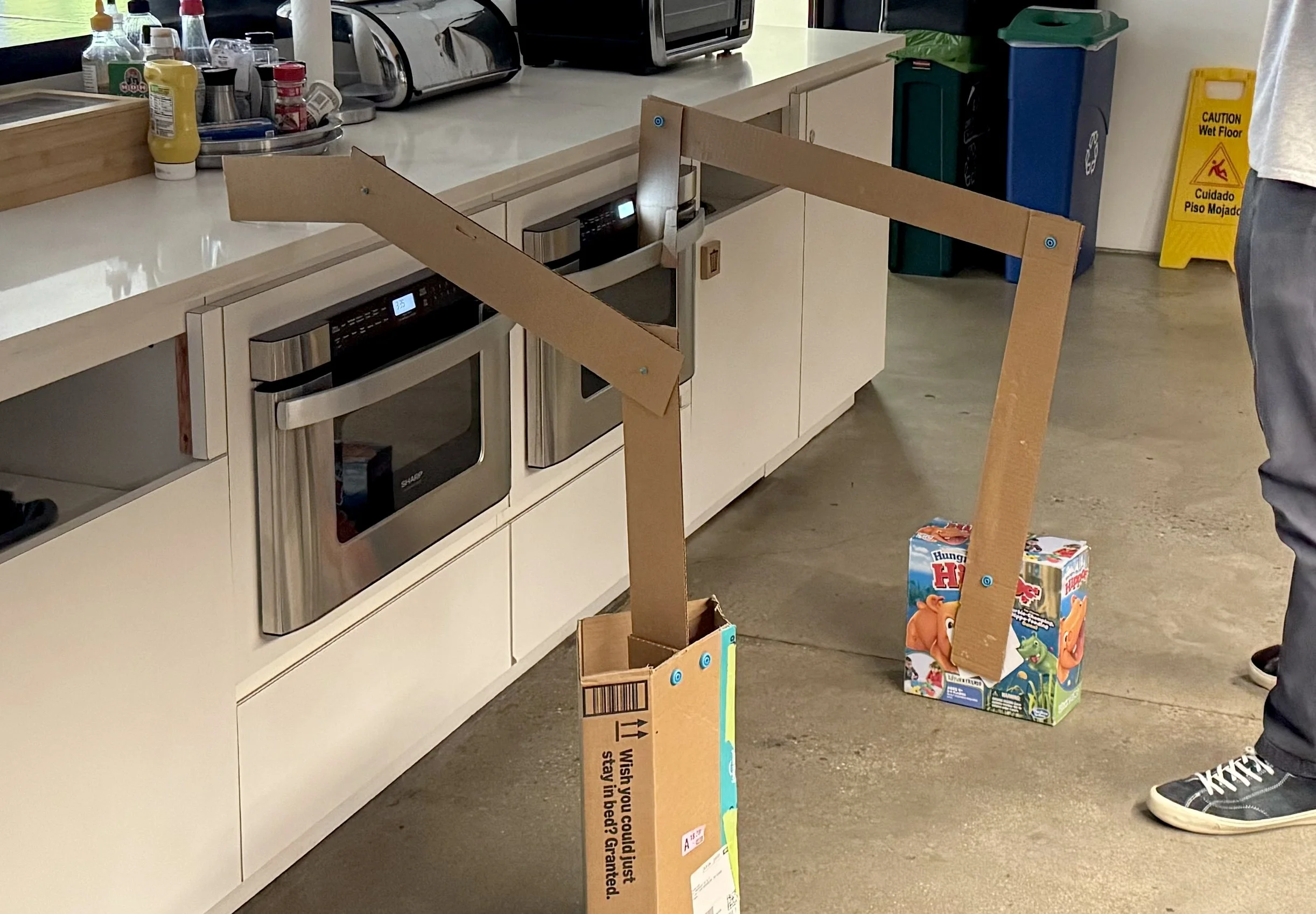
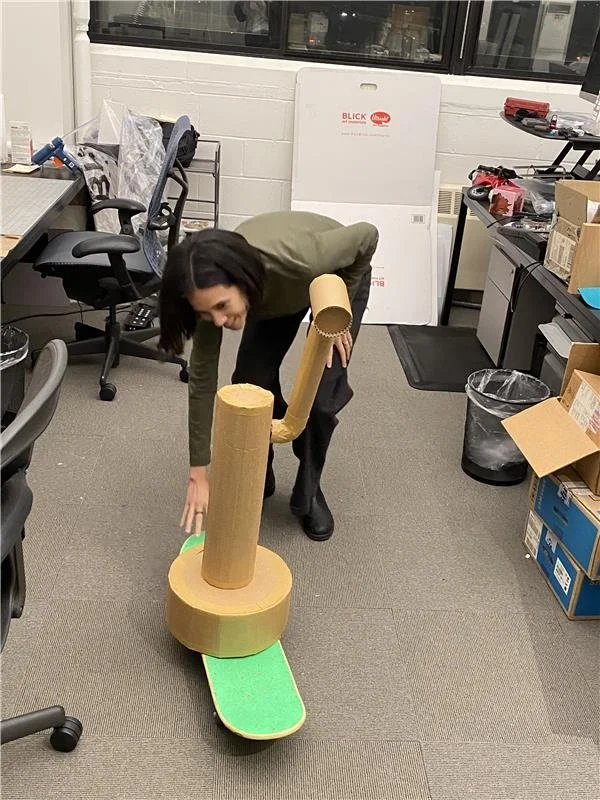
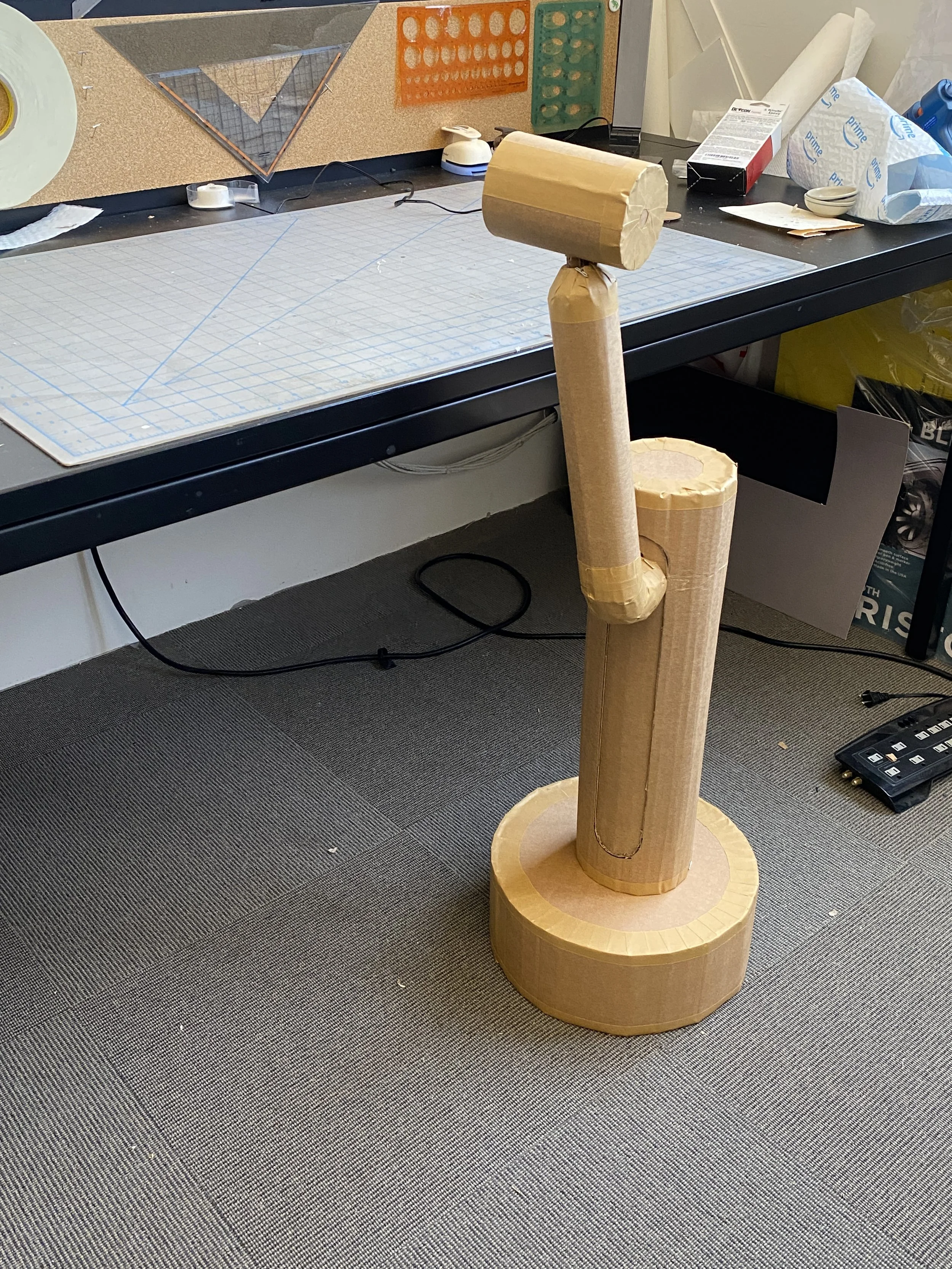
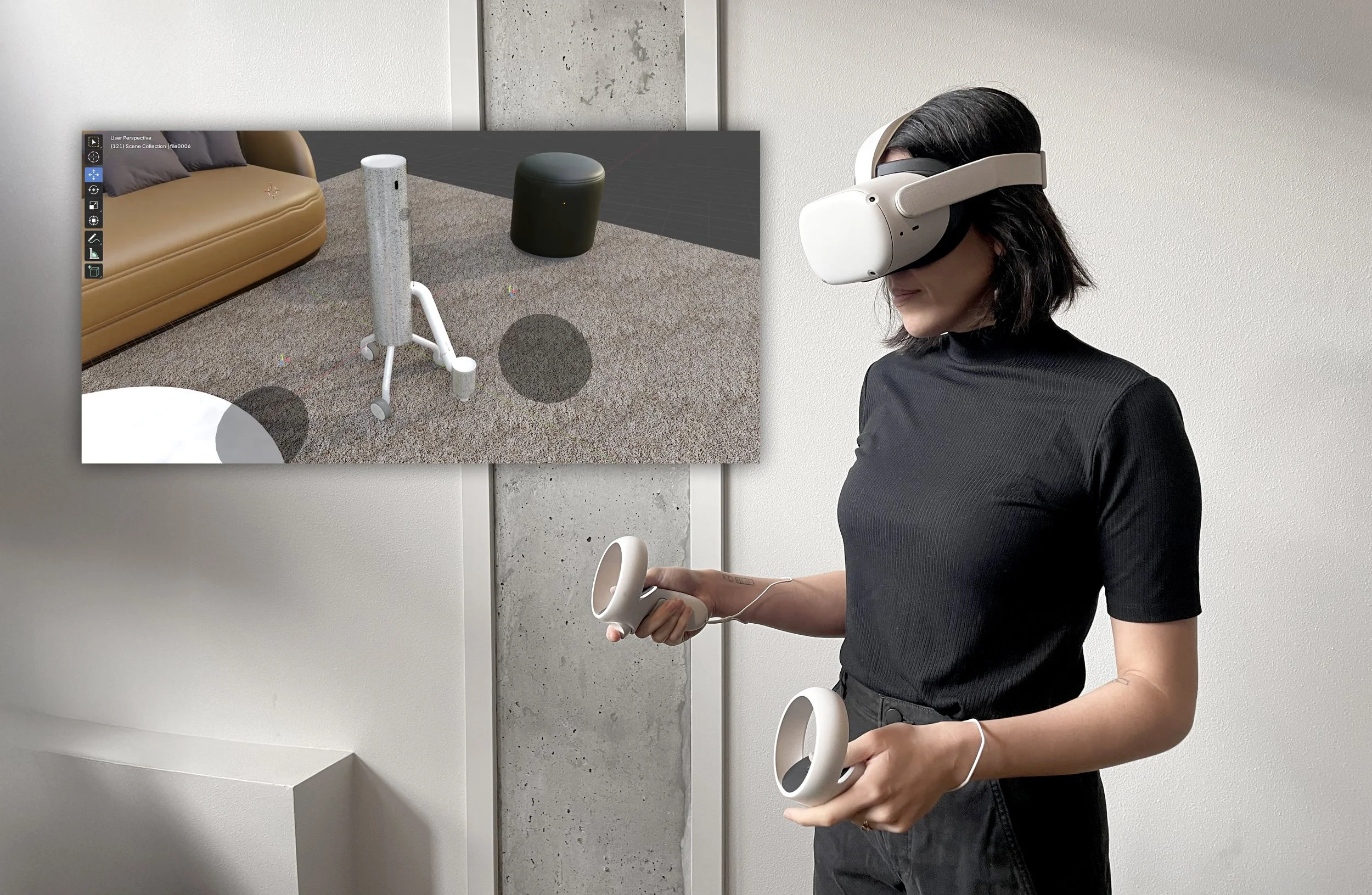
Prototyping throughout ideation helped us evaluate how forms occupy a space and how they truly feel throughout different actions and speeds.
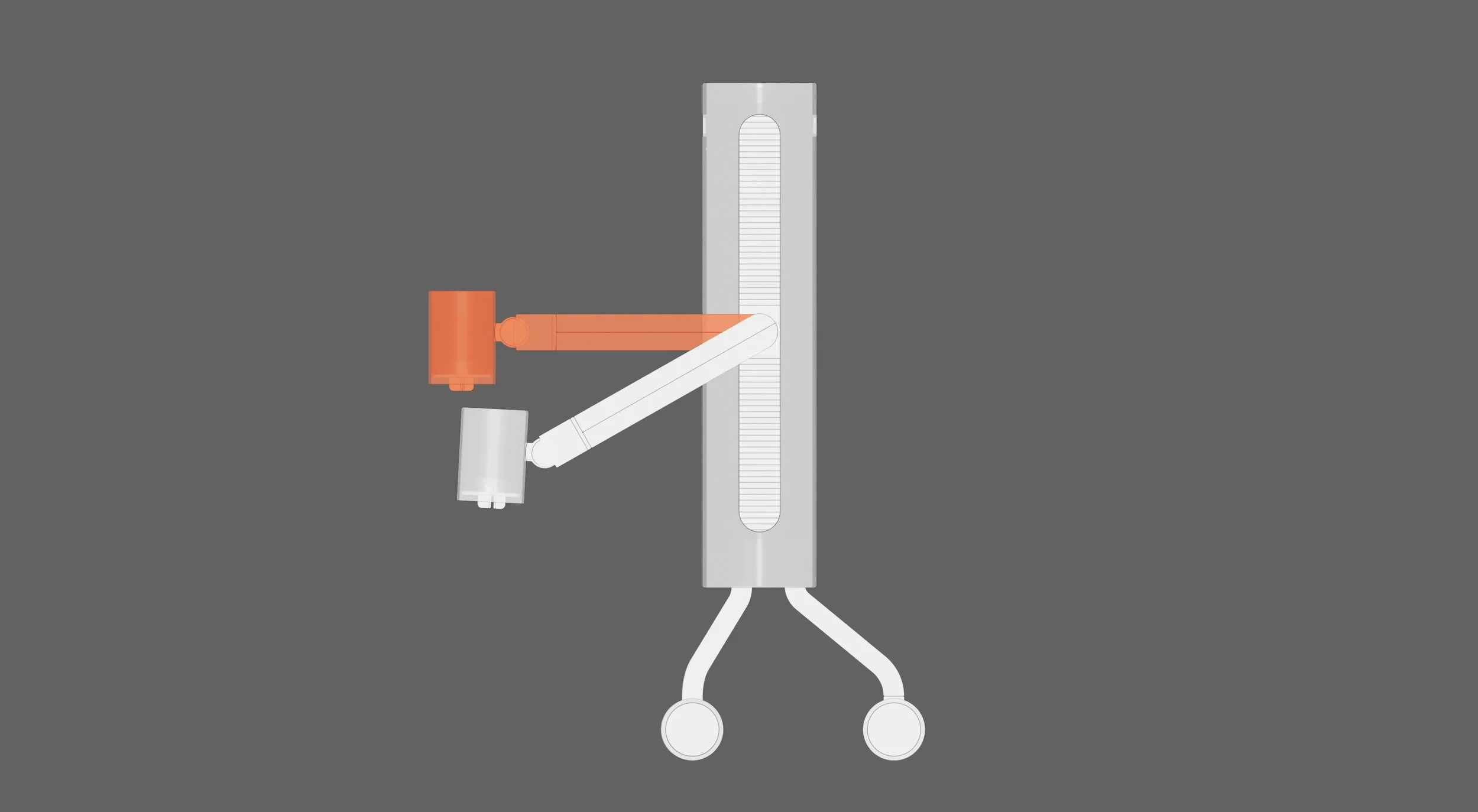
How a robot moves defines its identity and personality, shaping how it is experienced over time. A robot’s motion signature becomes recognizable from afar, distinct in pace, posture and responsiveness.
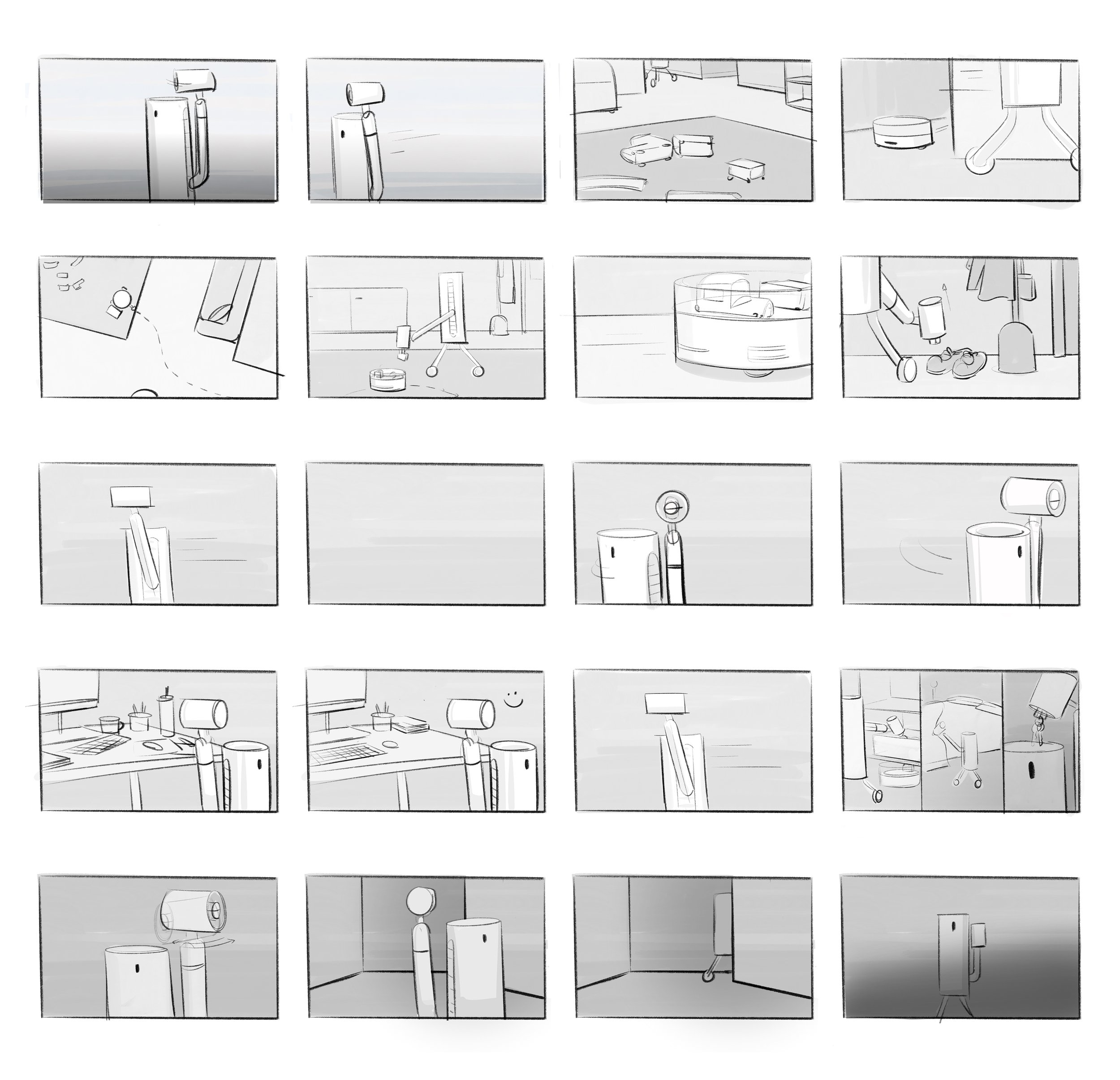
When designing Nome’s movement, we borrowed principles from animation and character design to intentionally shape expressive, legible behavior. This approach allowed us to define how Nome navigates, approaches, pauses and responds in everyday scenarios.
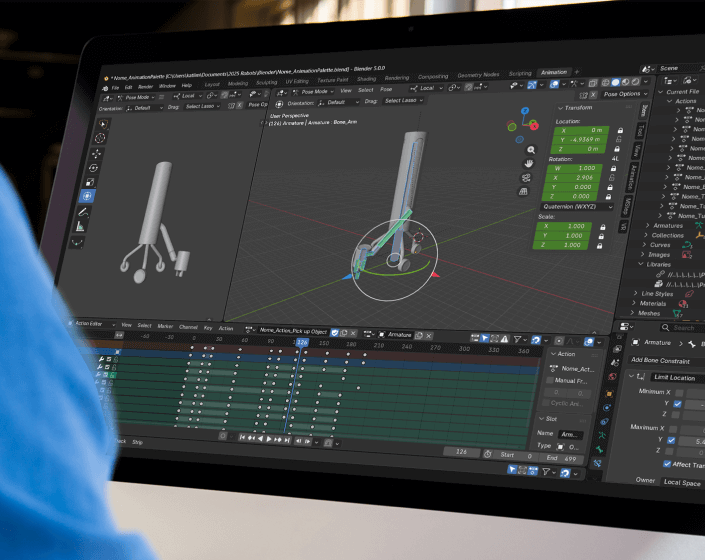
We rigged the design in Blender to define and refine Nome’s character palette. This is a library of actions that would organize and build for a fuller action.
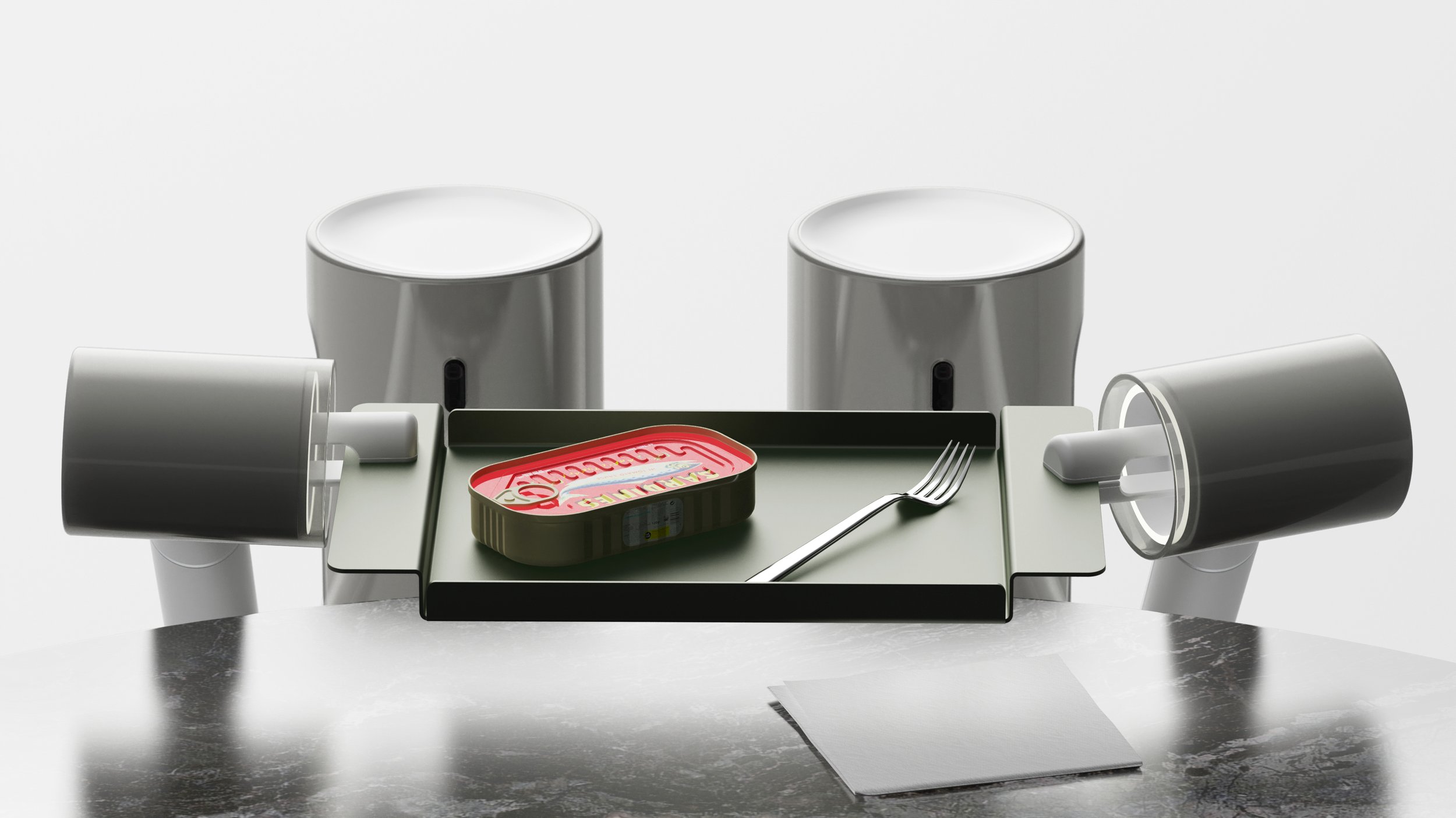
We imagine an ecosystem that extends beyond robots alone. Nome can operate independently on predefined capabilities, but it was never intended to be limited to a single function. Its capabilities can expand over time, growing alongside humans. When collaborating with other Nomes, robots or smart appliances, more complex tasks become possible.